
27 Oct Forex Trading for Beginners A Comprehensive Guide 1667687954
Forex Trading for Beginners: A Comprehensive Guide
If you’re interested in the exciting world of forex trading, you’re in the right place. This article will provide you with essential information and tips to help you navigate the foreign exchange market successfully. Whether you’re looking to invest for the first time or merely want to understand how forex trading works, we’ve got you covered. Don’t forget to check out forex trading for beginners Best Indonesian Brokers for trusted brokerage options that can help you start your trading journey.
What is Forex Trading?
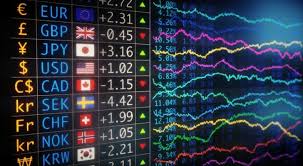
Forex, or foreign exchange, refers to the global marketplace where currencies are traded. It is the largest financial market in the world, with a daily trading volume exceeding $6 trillion. Forex trading involves buying one currency while simultaneously selling another. These trades occur through pairs, such as EUR/USD (Euro/US Dollar).
Why Trade Forex?
Forex trading offers several advantages that attract both novice and experienced traders:
- High Liquidity: The forex market operates 24 hours a day, five days a week, providing exceptional liquidity. This means that traders can enter and exit positions easily.
- Leverage: Forex brokers often offer leverage, allowing traders to control larger positions with a smaller amount of capital. While this can amplify profits, it can also increase losses.
- Diverse Market: With thousands of currency pairs available for trading, there’s ample opportunity to find pairs that fit your trading strategy.
- Low Transaction Costs: The spread (difference between buying and selling prices) in forex trading is generally lower than in other markets, making it cost-effective for traders.

Basic Terminology
Before diving deeper into forex trading, it’s essential to familiarize yourself with some basic terminology:
- Pip: A pip is the smallest price movement in a forex pair. For most pairs, it’s the fourth decimal place (0.0001), while for pairs involving the Japanese Yen, it’s the second decimal place (0.01).
- Lot: A lot represents the size of a trade. Standard lots are 100,000 units of currency, mini lots are 10,000 units, and micro lots are 1,000 units.
- Spread: The difference between the bid price (what the market will pay for a currency) and the ask price (what the market will sell it for).
- Margin: Margin is the amount of money required to open and maintain a leveraged position.
Choosing a Broker
One of the first steps to becoming a forex trader is choosing a reliable broker. A broker will facilitate your trades, provide you with a trading platform, and offer resources to help you learn. Consider the following factors when selecting a broker:
- Regulation: Ensure the broker is regulated by a reputable authority, which helps to guarantee the security of your funds.
- Trading Platform: The trading platform should be user-friendly and equipped with tools that meet your trading needs.
- Fees and Spreads: Compare the costs associated with trading on different platforms to find one that fits your budget.
- Customer Support: A responsive customer support team can make a significant difference, especially for beginners.
Developing a Trading Strategy
Having a well-defined trading strategy is crucial for success in forex trading. Here are some essential elements to consider:
- Set Clear Goals: Determine your financial goals and the time frame for achieving them.
- Risk Management: Never risk more than you can afford to lose. Establishing stop-loss and take-profit levels is vital in managing your risk.
- Technical Analysis: Learn to analyze charts and indicators to identify trends and potential entry/exit points.
- Fundamental Analysis: Stay informed about global economic events and news that can impact currency prices.
Practicing with a Demo Account
As a beginner, it’s a good idea to open a demo account before risking real money. Most brokers offer demo accounts where you can trade with virtual funds. This allows you to practice trading strategies, familiarize yourself with the trading platform, and build your confidence without financial risk.
Continuously Educate Yourself
The forex market is constantly evolving, and staying informed is vital. Investing time in education by reading books, attending webinars, and following reputable forex news sources can enhance your trading skills. Furthermore, following other traders and learning from their experiences can provide valuable insights.
Conclusion
Forex trading can be a rewarding endeavor if approached with the right mindset and strategies. By understanding the basics, choosing a reliable broker, developing a trading strategy, and continuously learning, beginners can set themselves up for potential success in the forex market. Start your journey cautiously and remember, practice makes perfect!
No Comments