
01 Nov Essential Forex Trading Tips for Beginners Navigate Your Path to Success
Essential Forex Trading Tips for Beginners
Forex trading, or foreign exchange trading, is the process of buying and selling currencies in the global market. It can be both exciting and daunting, especially for beginners. To help you navigate this complex arena, we’ve compiled a list of vital tips that will guide you on your trading journey. Whether you’re looking to make a few extra bucks on the side or dive headfirst into trading as a full-time career, forex trading tips for beginners Latam Web Trading has valuable resources and insights to maximize your success.
Understand the Basics
Before delving into trading strategies, it’s crucial to grasp the basic terminology and concepts of the Forex market. Here are a few key terms you should familiarize yourself with:
- Currency Pairs: In Forex, currencies are traded in pairs, such as EUR/USD or GBP/JPY. The first currency is known as the base currency, while the second is the quote currency.
- Pips: A pip (percentage in point) is the smallest price move that a given exchange rate can make based on market convention. Understanding pips is essential for calculating profit and loss.
- Leverage: Forex trading often allows traders to use leverage, meaning you can control a larger position with a smaller amount of capital. However, while leverage can amplify your profits, it can also increase your losses.
Set a Trading Plan
Creating a well-structured trading plan is integral to your success. Your plan should include:
- Trading Goals: Define your objectives, whether it’s to make a certain amount of money or to trade a specific number of times per week.
- Risk Management: Decide how much capital you are willing to risk on each trade. A common strategy is to risk only 1-2% of your trading capital on a single trade.
- Trade Strategy: Identify a trading strategy that works for you, whether it’s day trading, swing trading, or scalping.
Educate Yourself Continually
The Forex market is constantly evolving. To stay competitive, you must continue to educate yourself. Consider:
- Reading books on Forex trading.
- Following reputable Forex blogs and news sources.
- Joining online trading communities or forums.
- Participating in webinars and online courses.
Practice with a Demo Account
Before risking your hard-earned money, practice trading with a demo account. Most Forex brokers offer demo accounts with virtual money. This allows you to:
- Familiarize yourself with the trading platform.
- Test your trading strategies without financial risk.
- Gain confidence in your trading skills.
Start Small
When you’re ready to trade with real money, start with a small capital investment. This approach helps you manage risks effectively and gain a better understanding of your trading style and emotional responses. Gradually increase your trading size as your experience and confidence grow.
Keep Emotions in Check
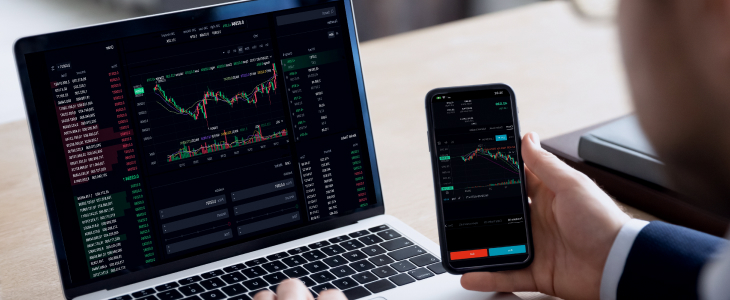
Trading can evoke strong emotions such as fear and greed, which can lead to poor decision-making. It’s essential to:
- Trade with a clear head—avoid trading when you’re tired or stressed.
- Stick to your trading plan and avoid impulsive actions.
- Accept losses as a part of the trading process—no trader wins every trade.
Utilize Stop-Loss Orders
Protect your capital by using stop-loss orders. These orders automatically close your position at a predetermined price, limiting potential losses. Setting clear stop-loss points is crucial, especially in a volatile market.
Stay Informed About Market Trends
Keep an eye on macroeconomic factors that influence currency values. Interest rates, economic indicators, and geopolitical events can significantly impact Forex pricing. Stay updated through economic calendars and news sources to make informed trading decisions.
Analyze the Market
Successful Forex trading relies heavily on analysis. There are two primary forms of analysis:
- Technical Analysis: This involves analyzing historical price movements and chart patterns to predict future price movements. Familiarize yourself with charting tools and indicators like moving averages and RSI (Relative Strength Index).
- Fundamental Analysis: This approach examines economic indicators, interest rates, and news events to assess currency values. Understand how global economic events impact the Forex market.
Choose the Right Broker
Select a reliable Forex broker that aligns with your trading needs. Consider factors such as:
- Regulation: Ensure the broker is regulated by a recognized authority.
- Trading Platforms: Evaluate the trading platform’s features, ease of use, and available tools.
- Customer Service: Responsive customer support can be vital if you encounter issues or have questions.
Stay Patient and Committed
Forex trading is a skill that takes time to develop. Don’t expect overnight success; instead, approach trading with patience and a commitment to learning. Continuous practice, learning, and adaptation are keys to becoming a successful trader.
Conclusion
Forex trading can be a rewarding venture when approached with the right mindset and strategies. By educating yourself, practicing diligently, and staying informed, you can enhance your trading skills and achieve financial success. Remember that consistency, patience, and discipline are your best allies in the Forex market. Start your journey today by applying these essential tips, and you’ll be well on your way to becoming a proficient Forex trader.
No Comments